7.800 €
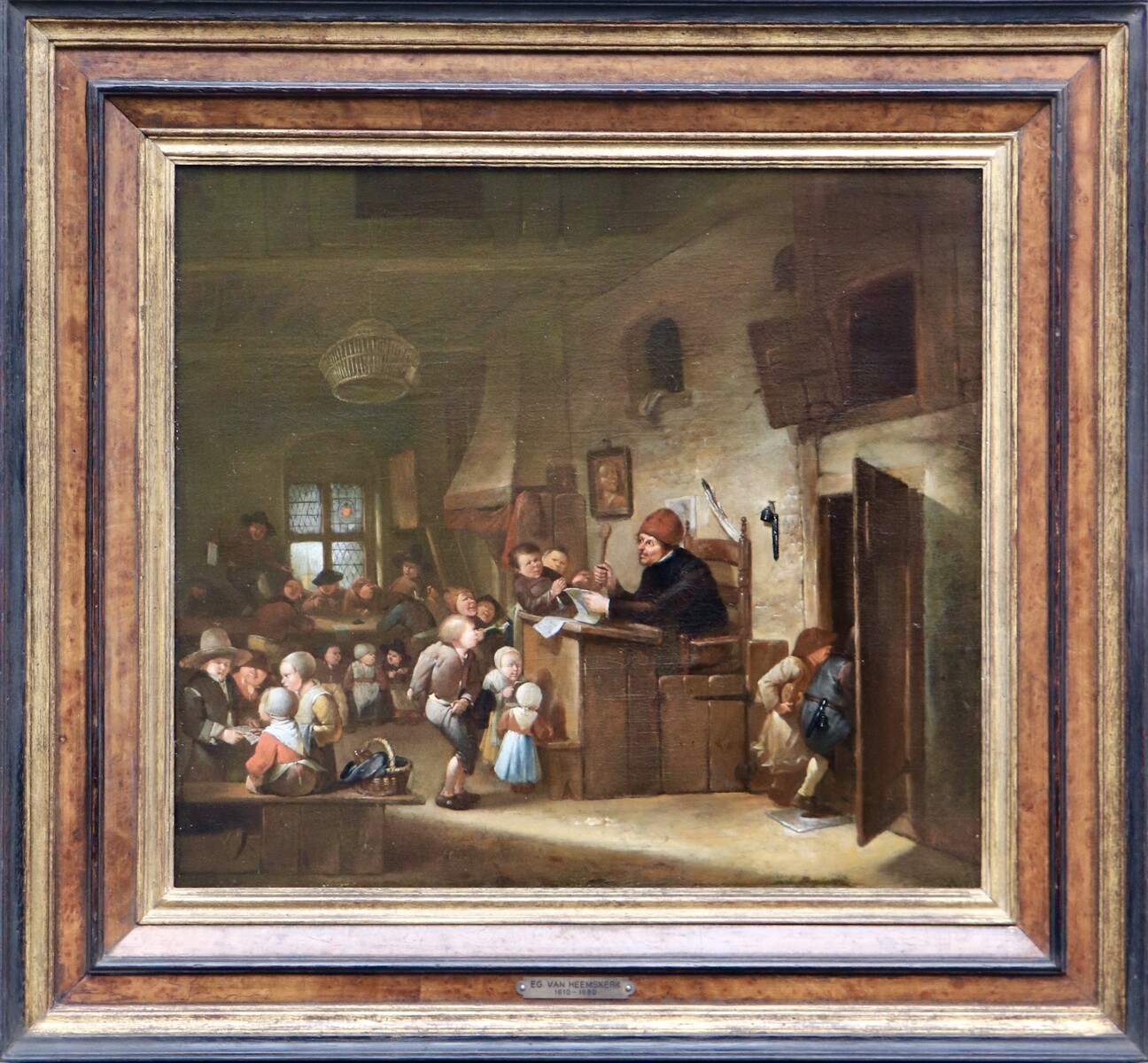
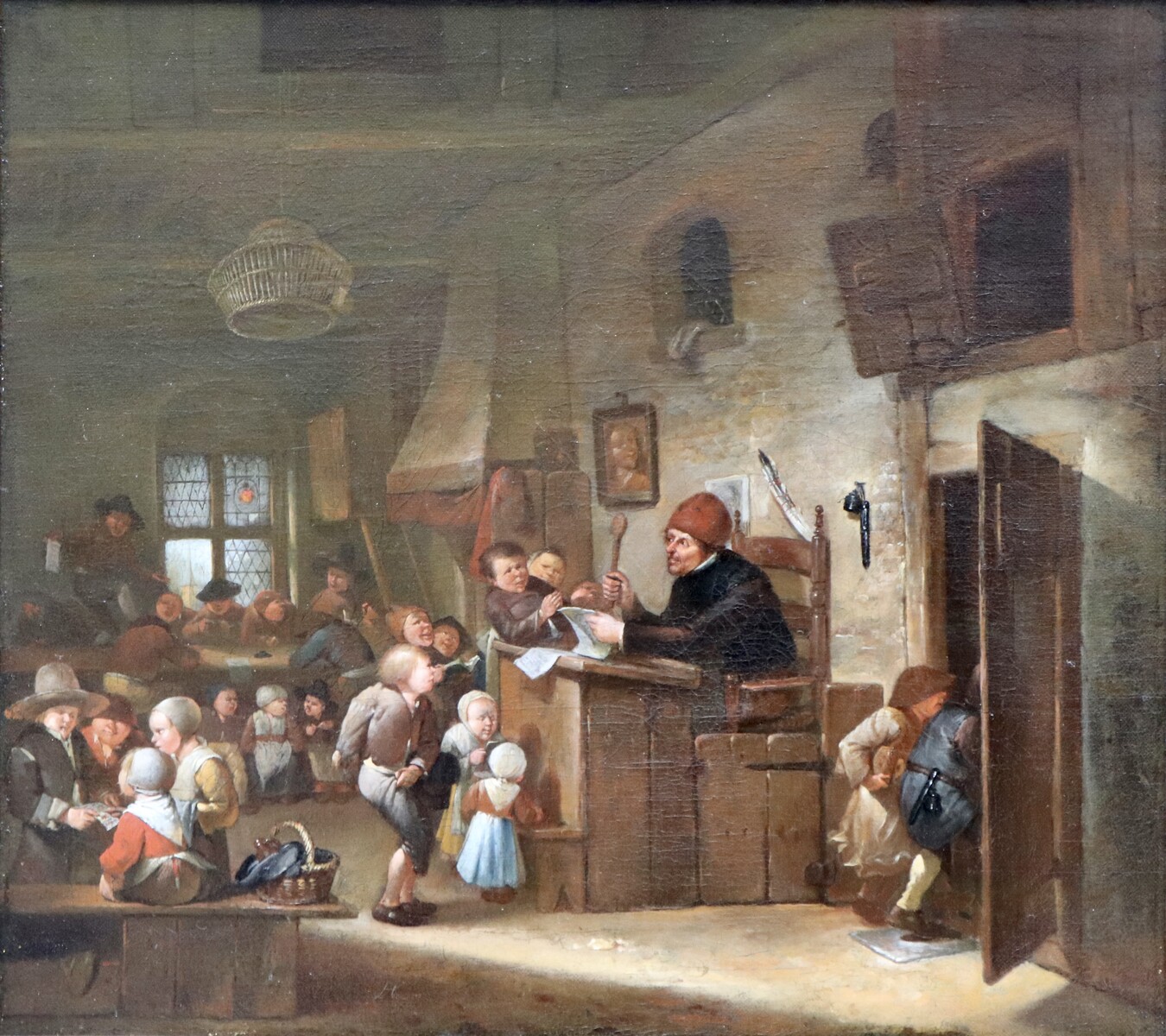
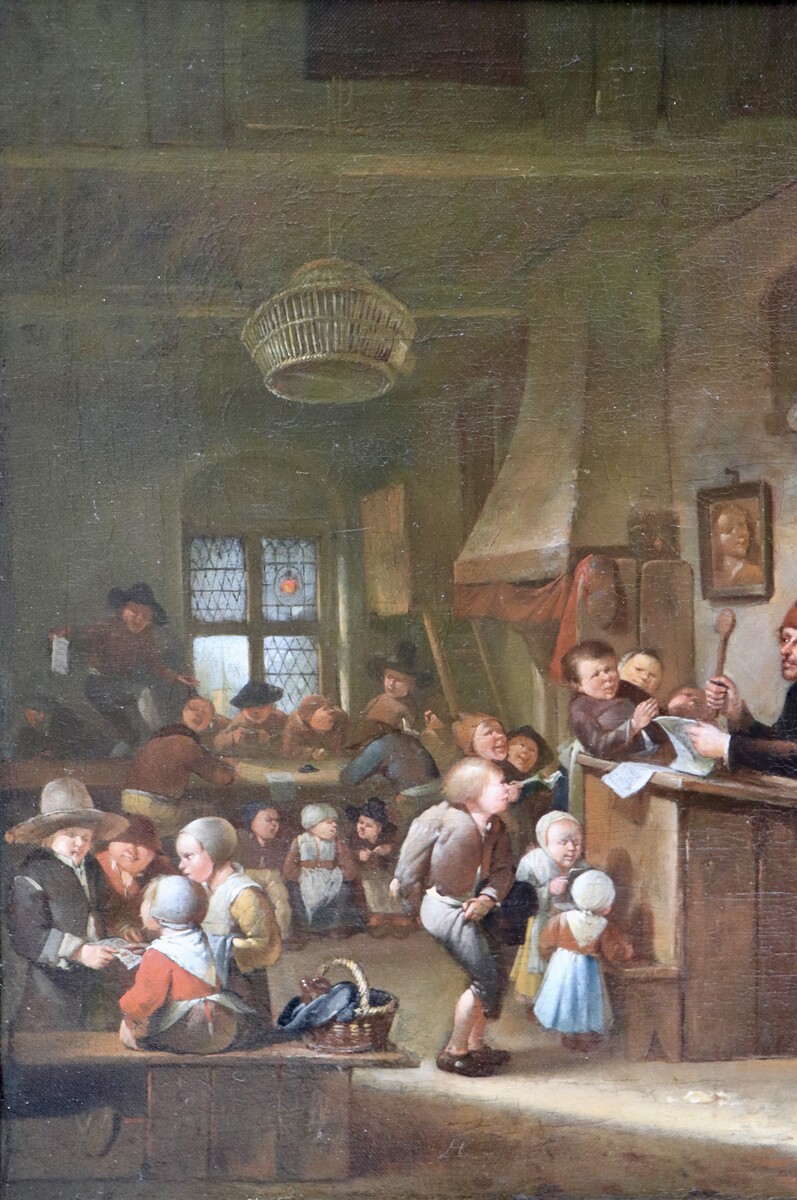
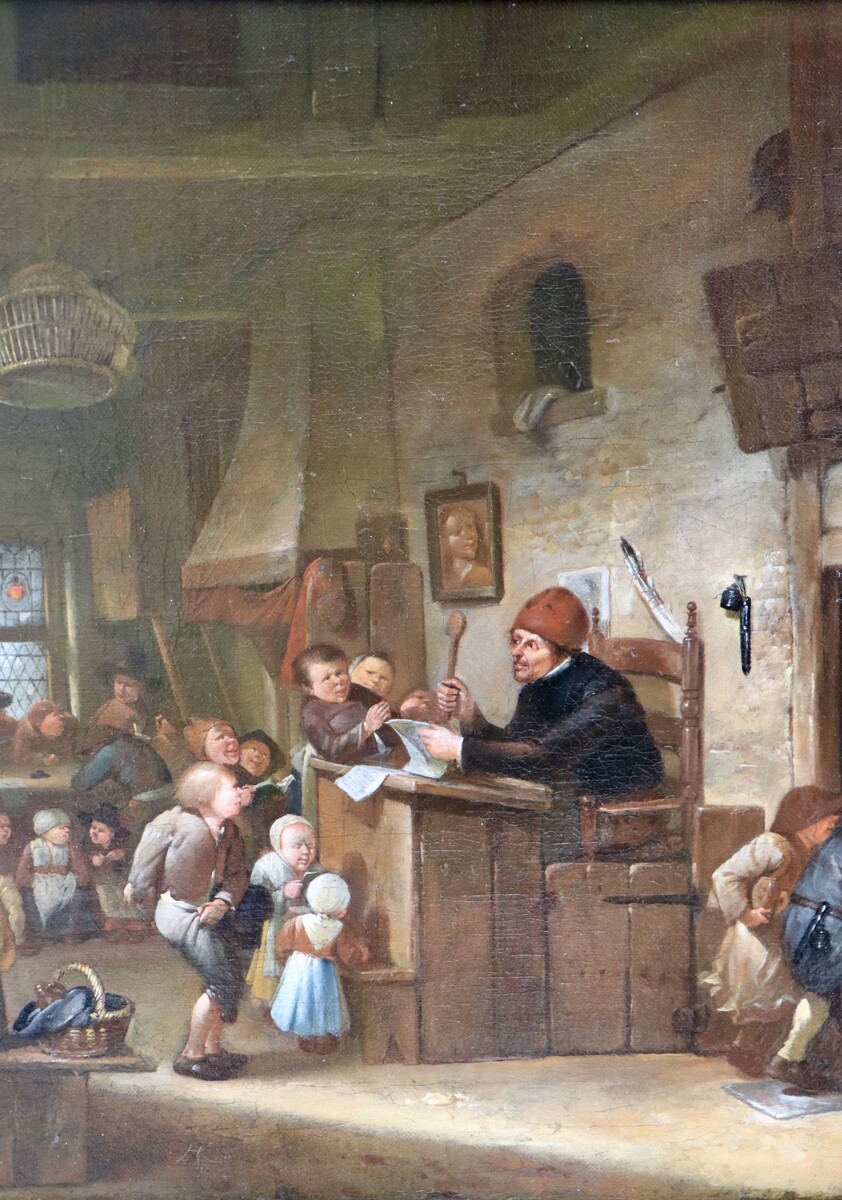
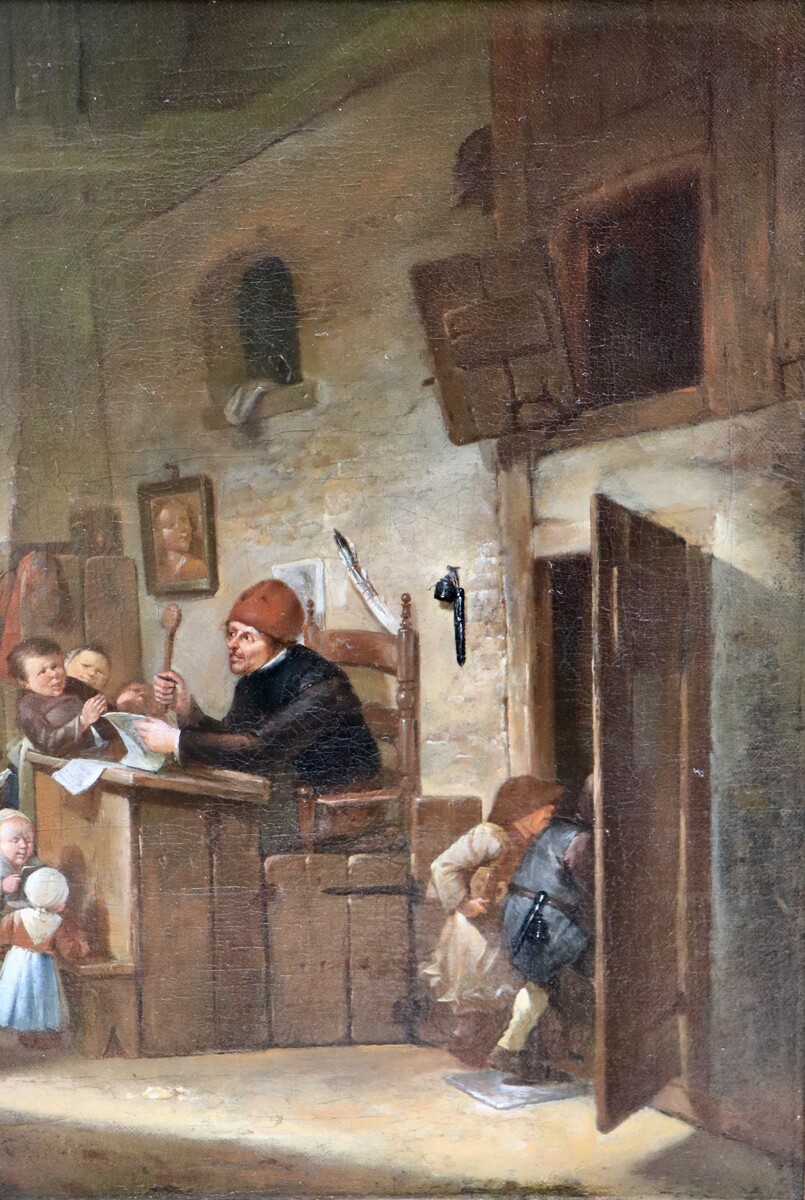
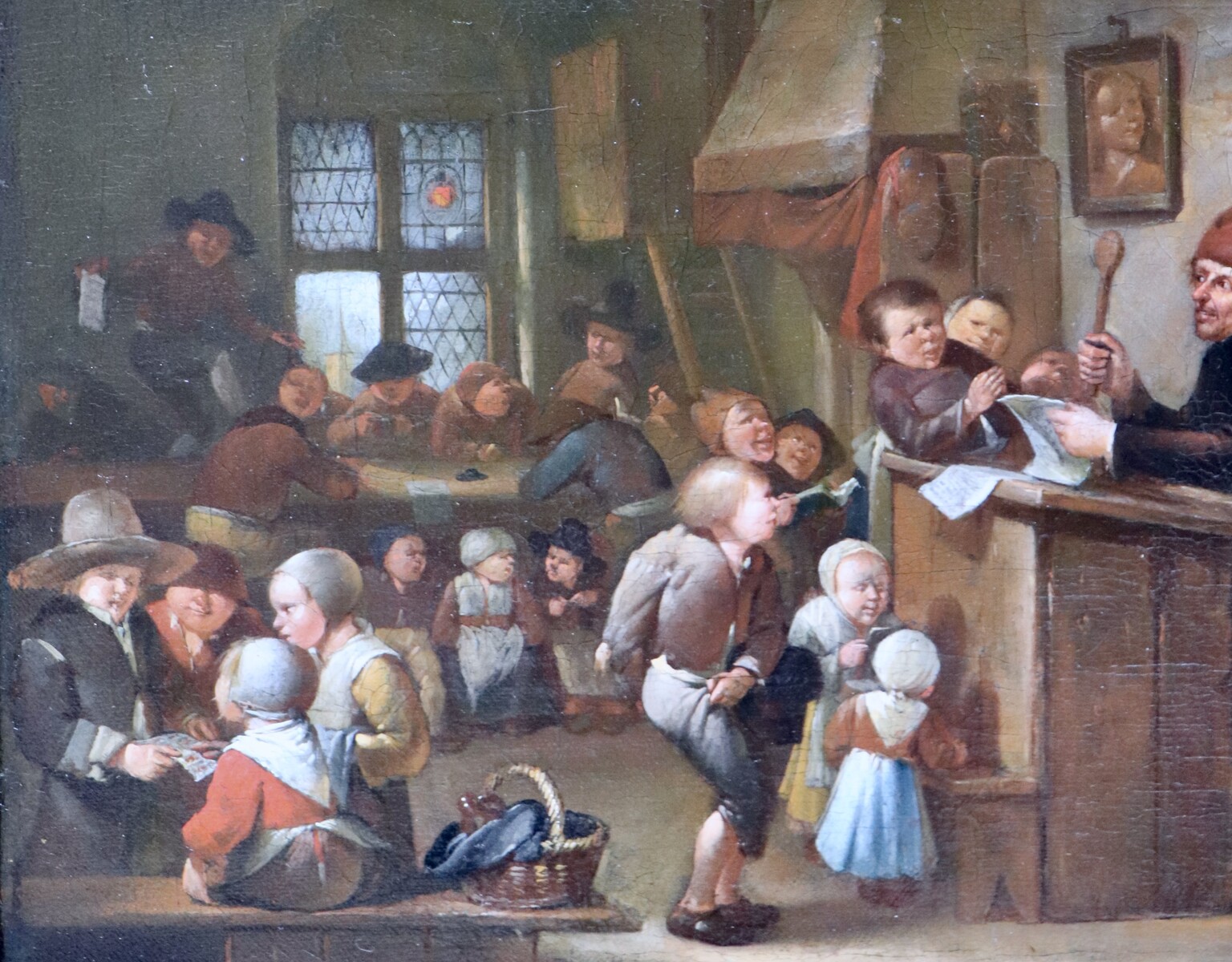
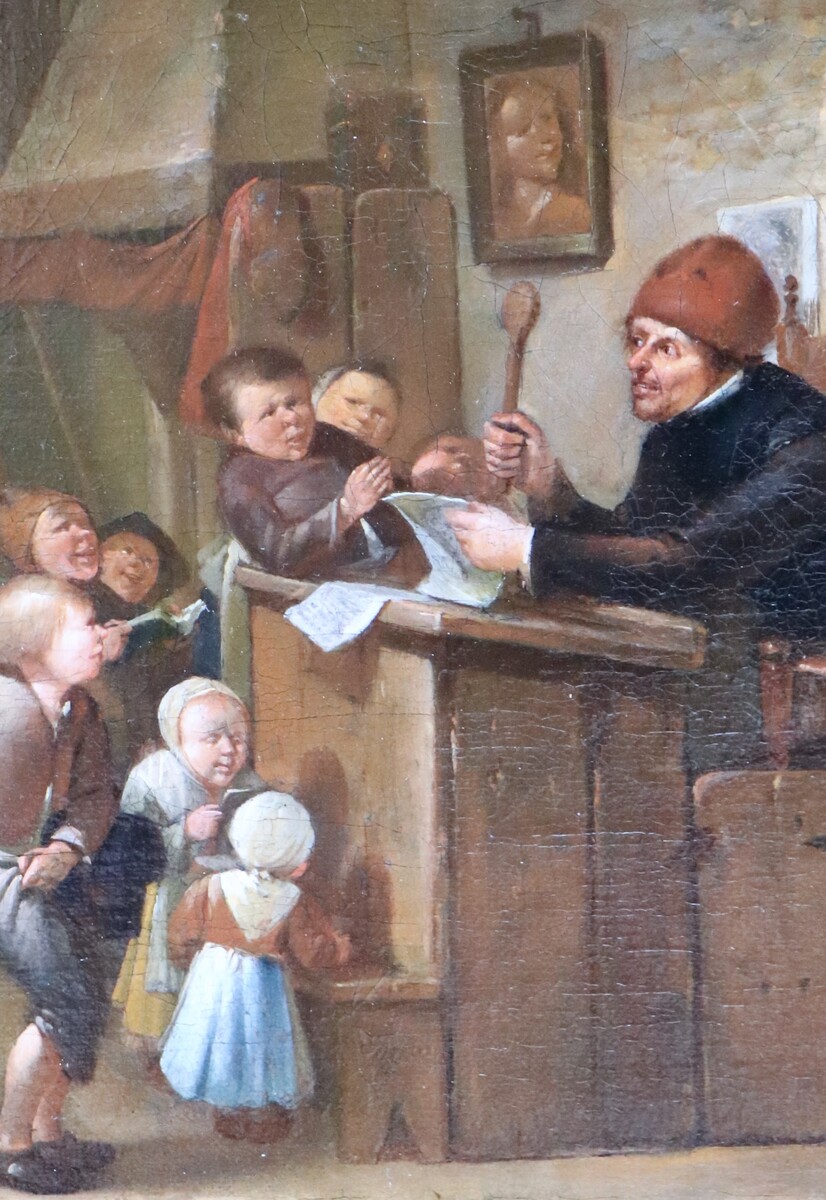
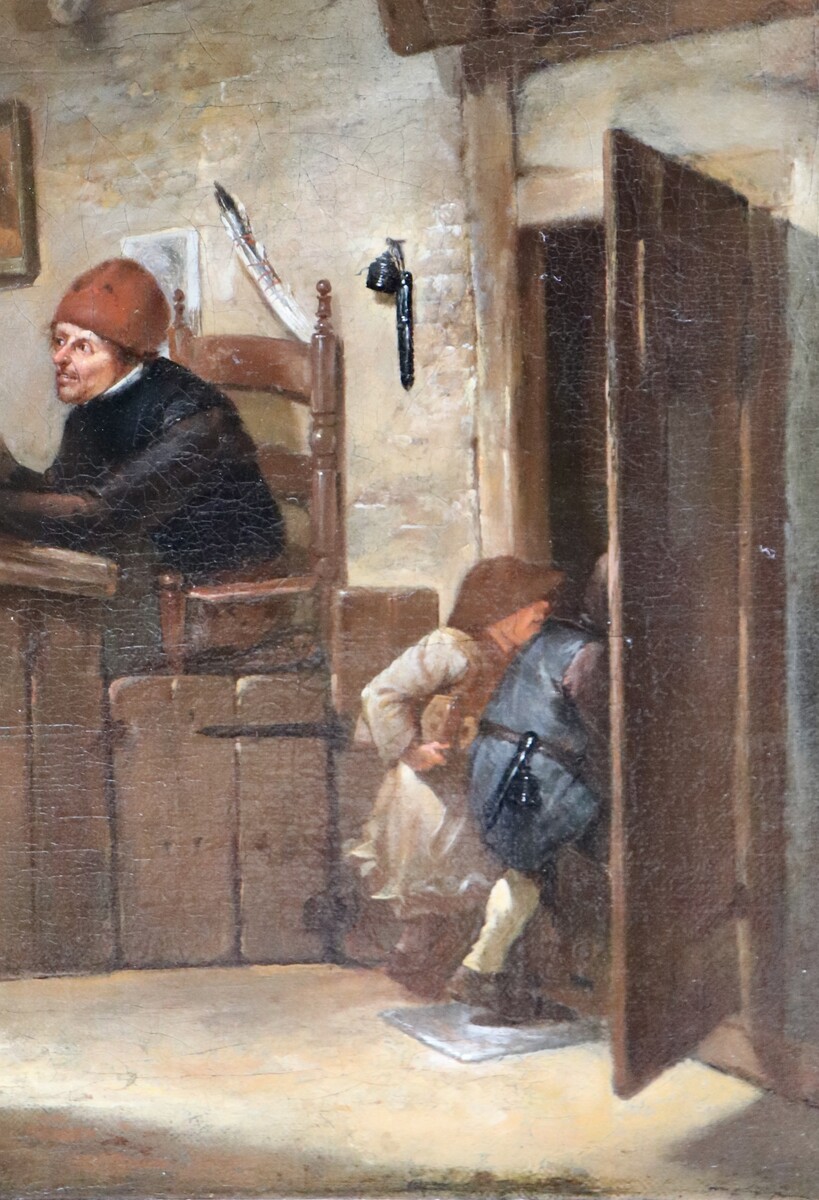
A view of a classroom
Oil on canvas : 44,4 X 48,8 cm
Signed and dated bottom middle “Hkerk / 1665”
Frame : 60,8 X 65,7 cm
About Egbert I van Heemskerck
Dutch painter
Haarlem 1610 - 1680 London
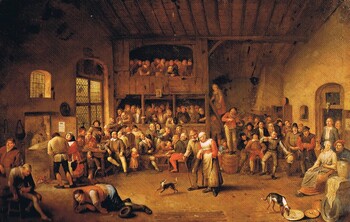
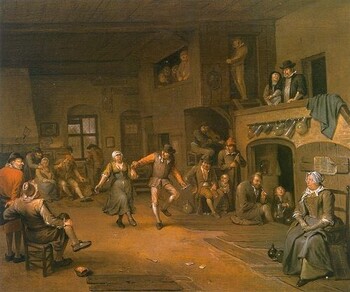
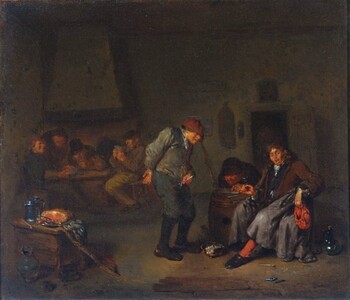
Painter of genre scenes, especially humorous low-life scenes, most typically depicting peasants in tavern interiors, often in comic or sometimes even vulgar situations. Egbert I is also known for his representations of Quaker meetings and of school classrooms.
He is said to have been a pupil of Pieter de Grebber, although there is no proof for this.
He is clearly indebted to Adriaen Brouwer, Jan Miense Molenaer, Adriaen and Isaac van Ostade and Jan Steen. The tradition of peasant painting had started in Flanders with Pieter Brueghel the Elder (circa 1525/30 – 1569). Low-life types enjoying themselves in shabby and primitively furnished taverns became a popular subject in Haarlem, where an important part of the population were of Flemish, Protestant origin.
Egbert I was the son of doctor Jasper Jaspersz. van Heemskerck and his wife Marytge Jansdr. van Stralen. After his father’s death his mother remarried the art dealer and tavern-holder Jan Wijnants, father of the homonymous landscape painter Jan Wijnants, so that Egbert van Heemskerck I and Jan Wijnants were step-brothers.
Our painter was active in Haarlem from 1646 until 1663.
He planned to travel to Italy in 1655, but it is not known if he went or not.
In 1663 he worked in The Hague, in 1665, that is the year that Egbert painted our classroom, in Amsterdam, in 1667 in Weesp.
Around the middle of the 1670s he left with his family to England.
He lived in London and Oxford between 1680/85 and his death in 1704.
A painting of King Charles II surrounded by his favourite ladies-in-waiting (untraced) is said almost to have cost van Heemskerck his head.
One of King Charles's most licentious courtiers, John Wilmot, 2nd Earl of Rochester (1645-80), is thought to have been the artist's patron. John Wilmot was a famous libertine, member of the “Merry Gang”, writer of satirical poetry.
Egbert I was the father and teacher of Egbert II (Haarlem 1634/35 - 1704 London), who was strongly influenced by him.
Why should you buy this painting?
Because it is a rare, but pleasing subject in 17th century painting.
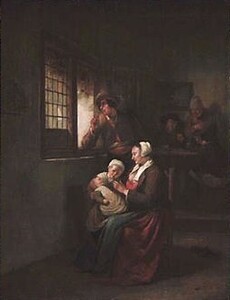
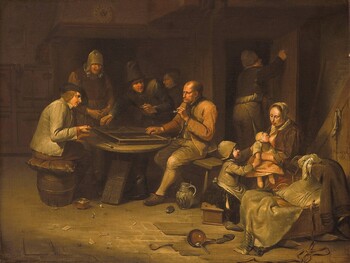
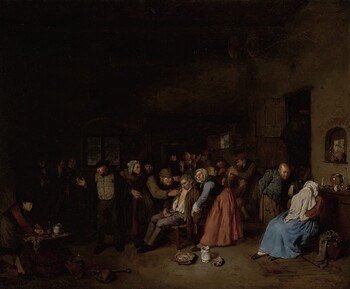
Comparative paintings
Click photos for more details