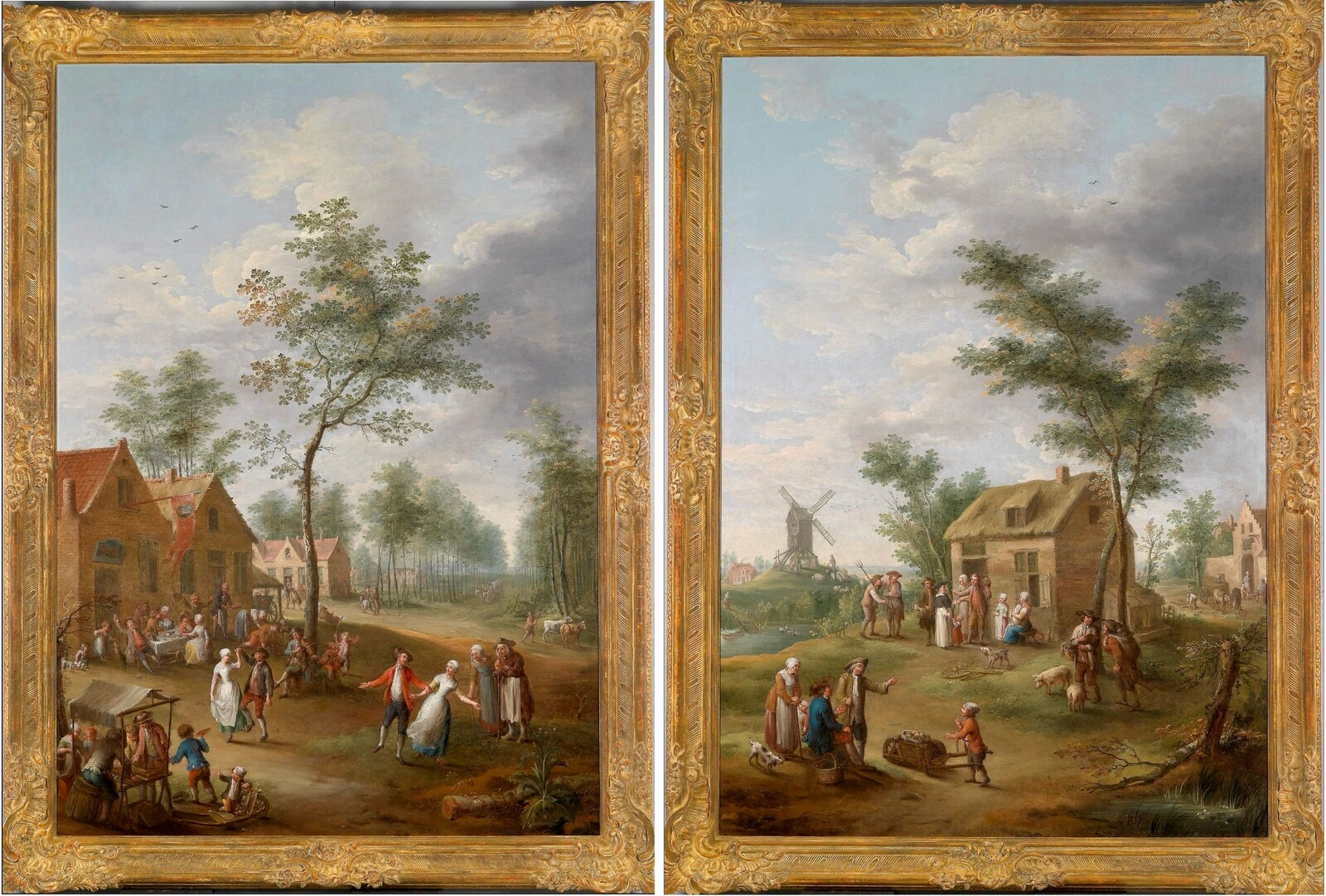
the pair / 22.000 €
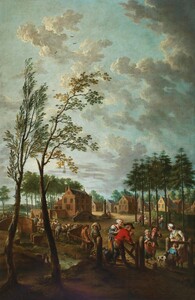
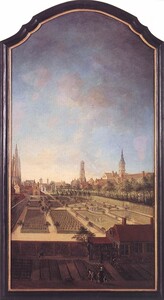
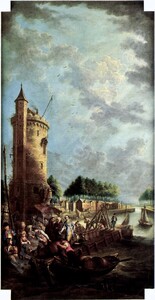
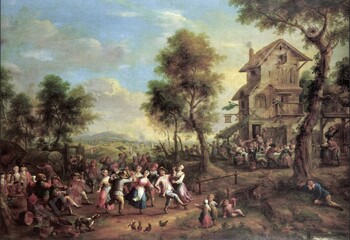
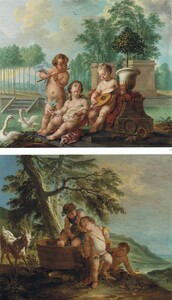
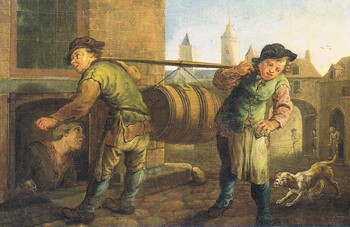
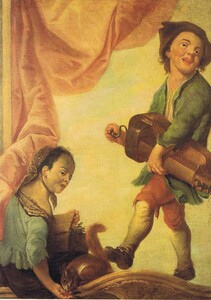
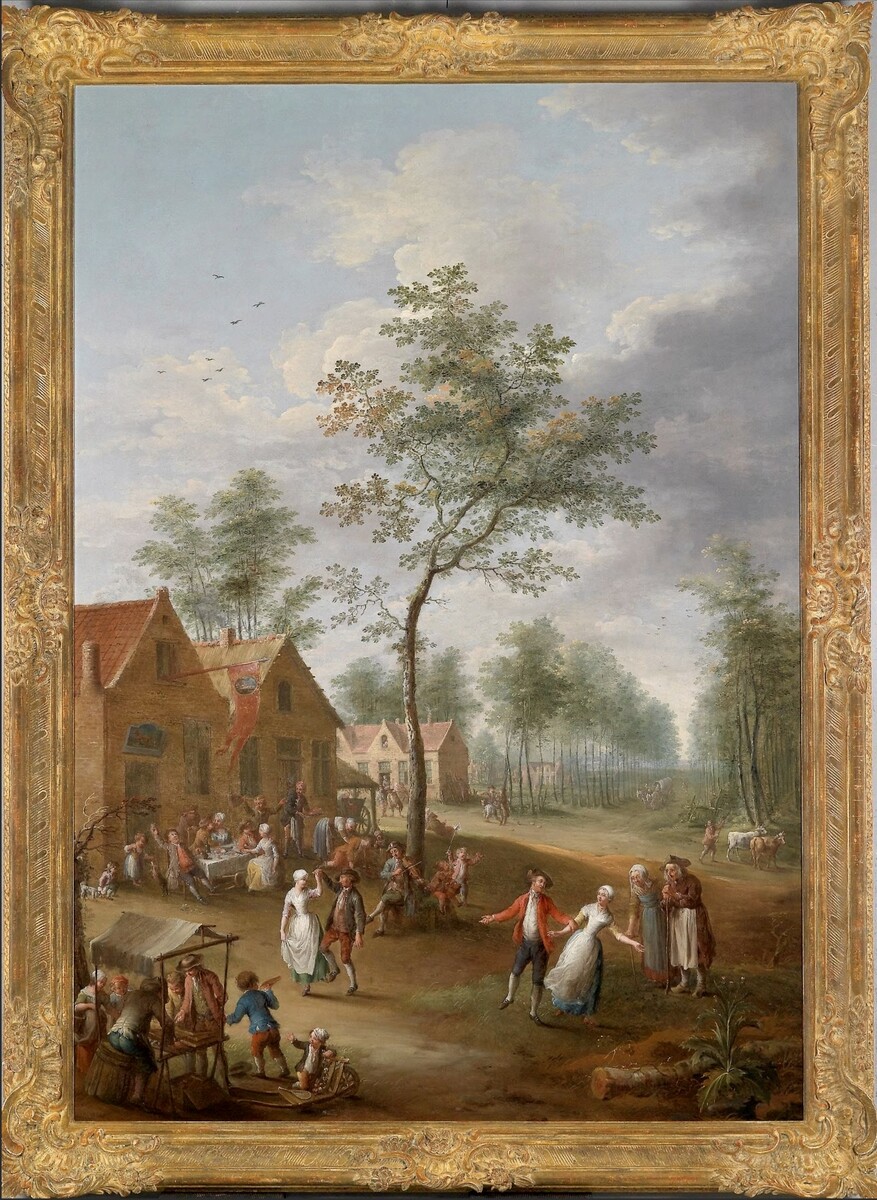
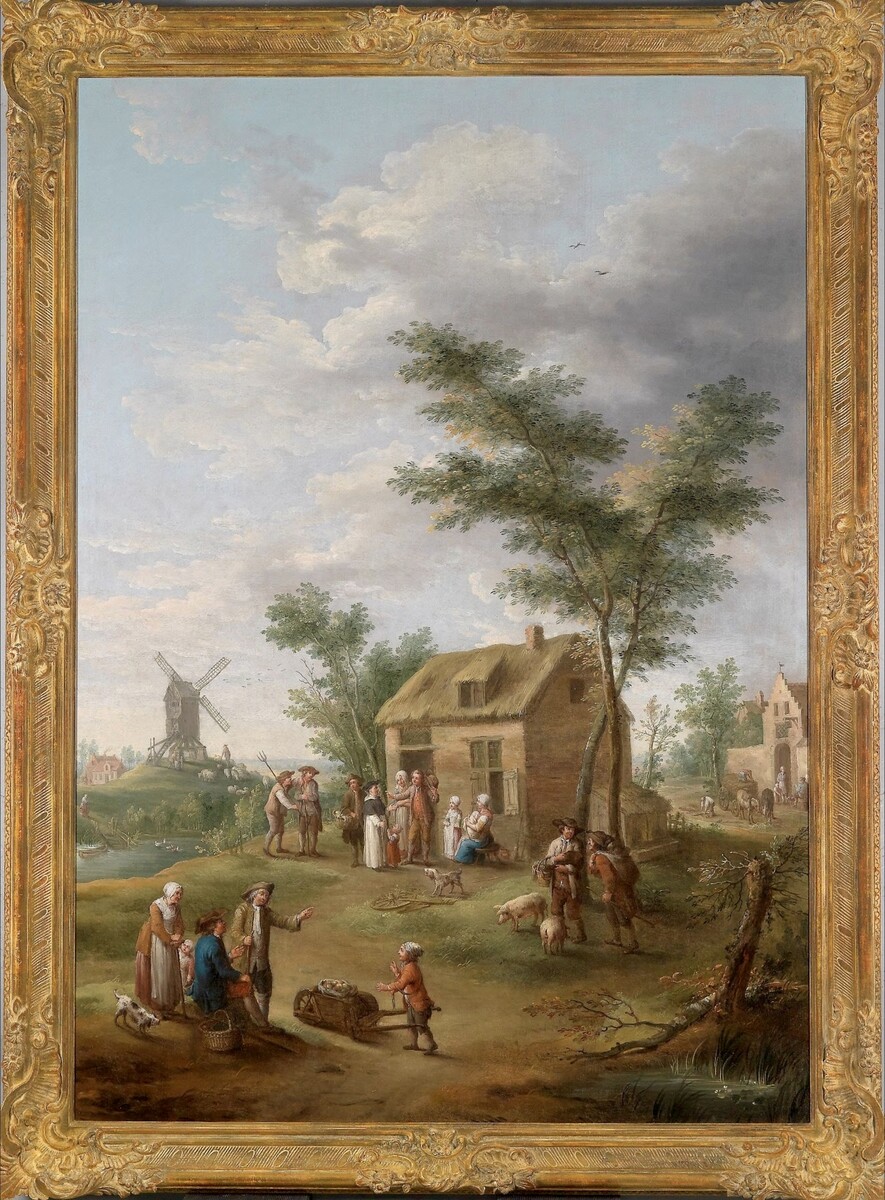
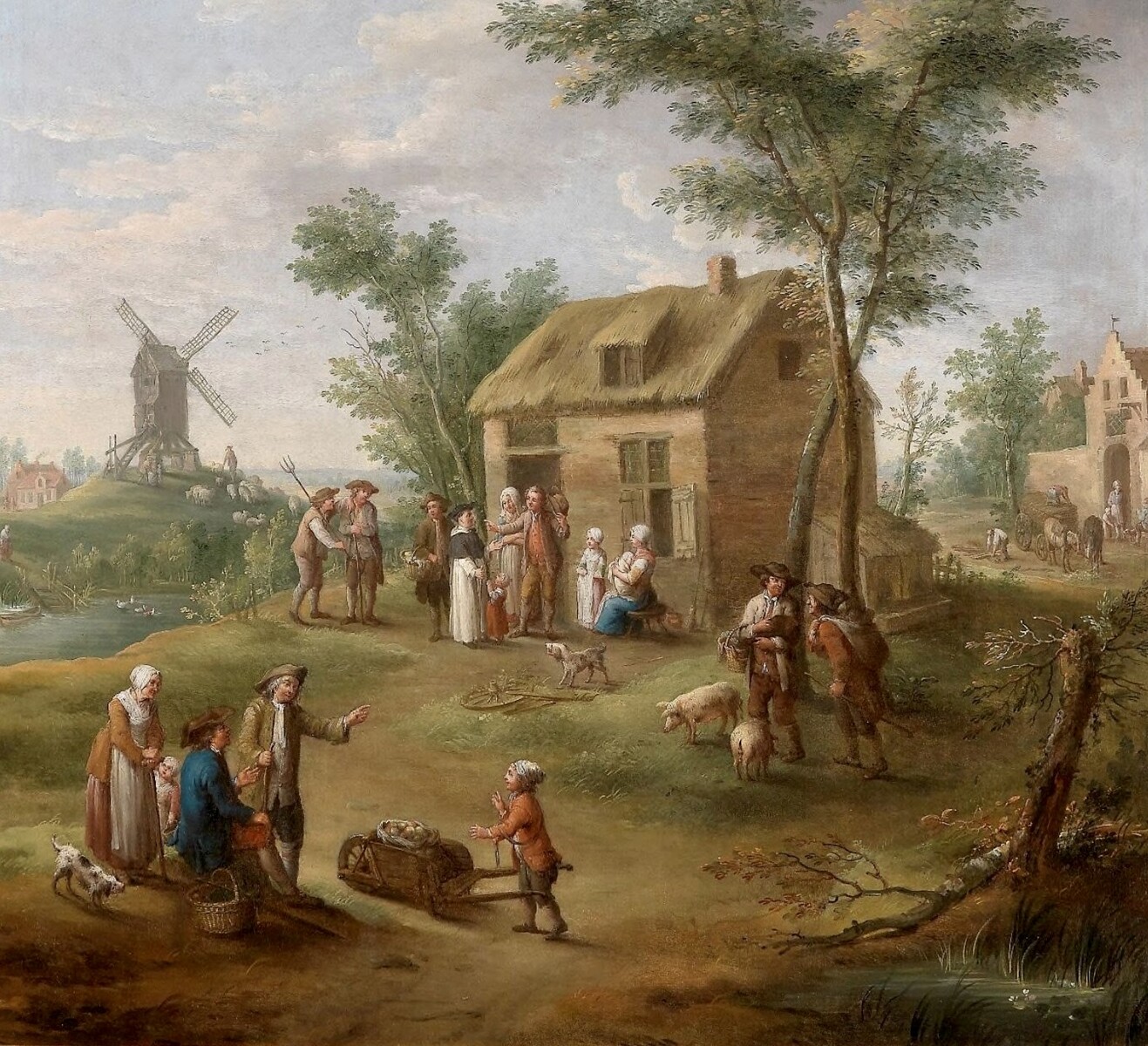
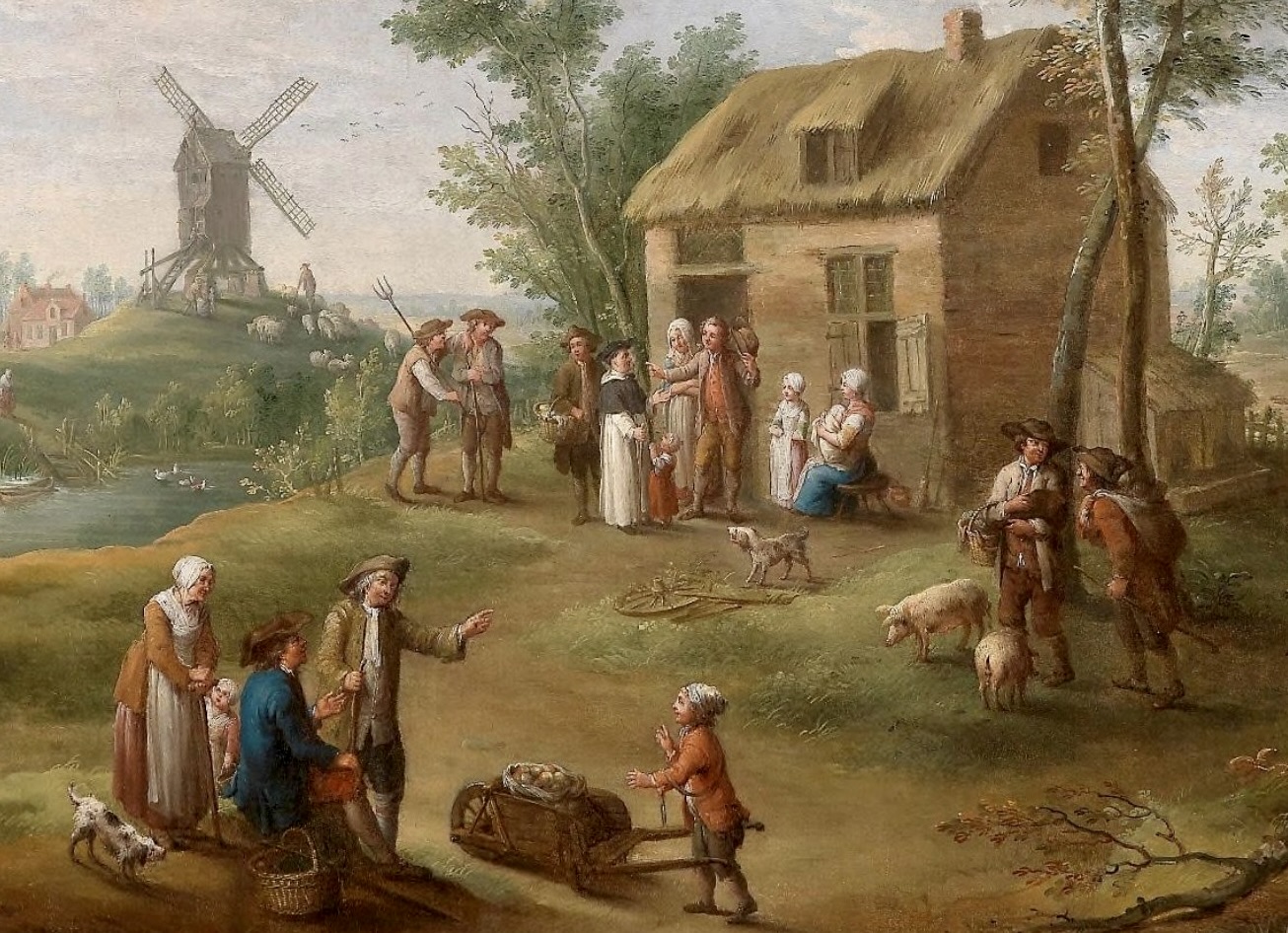
A pair of bucolic salon paintings
Oil on canvas : 175,4 X 122,9 cm each
Both unsigned
Both frames : 190 X 140 cm
Provenance :
- from an important house in or near Bruges
- sold at Dorotheum Vienna, 17/04/13 for 29.580 €
In short
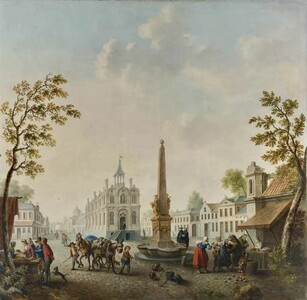
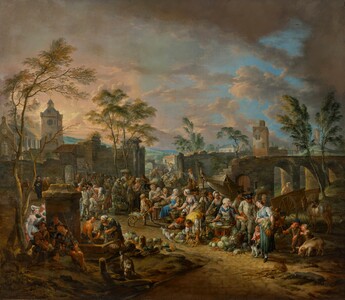
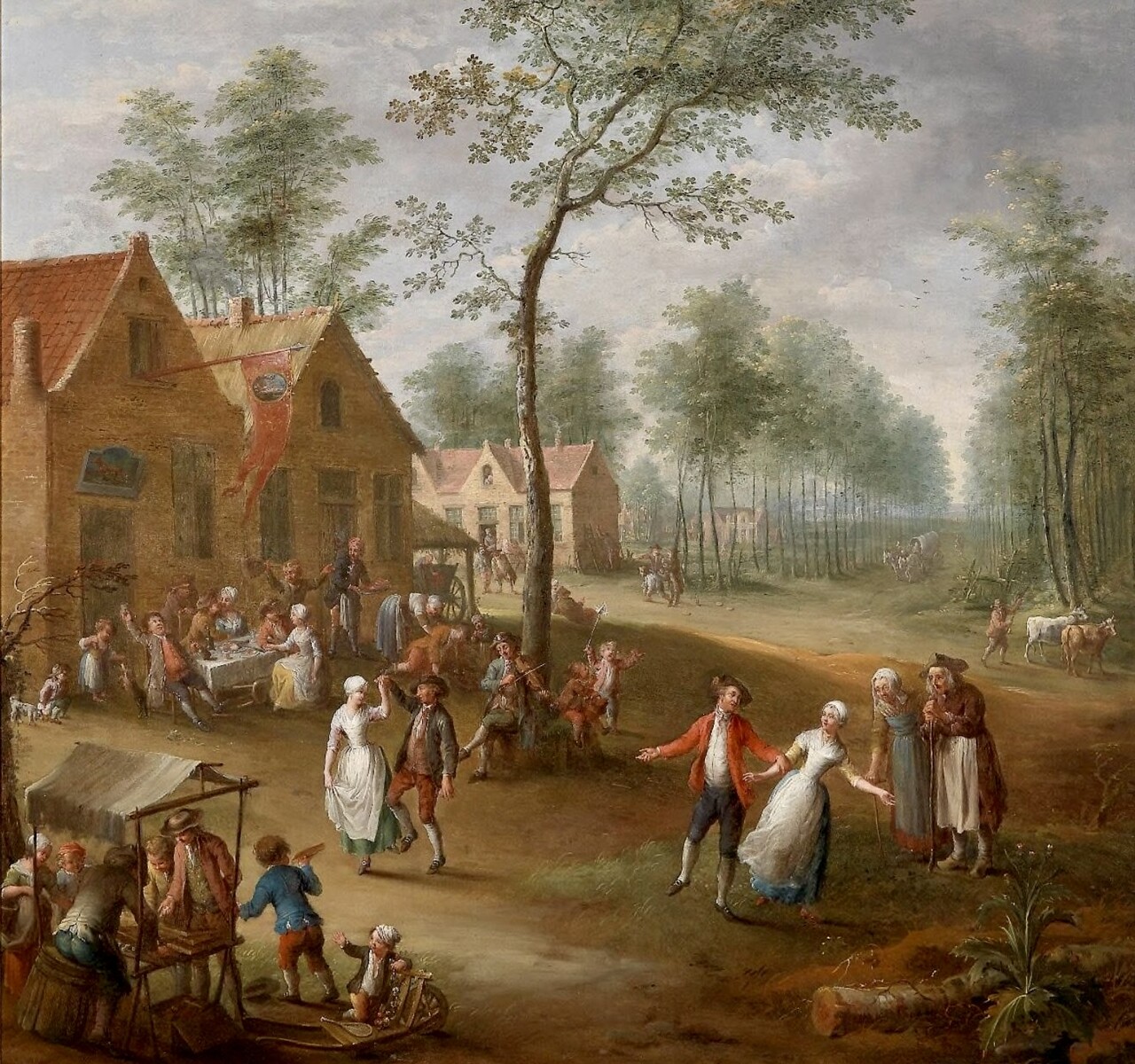
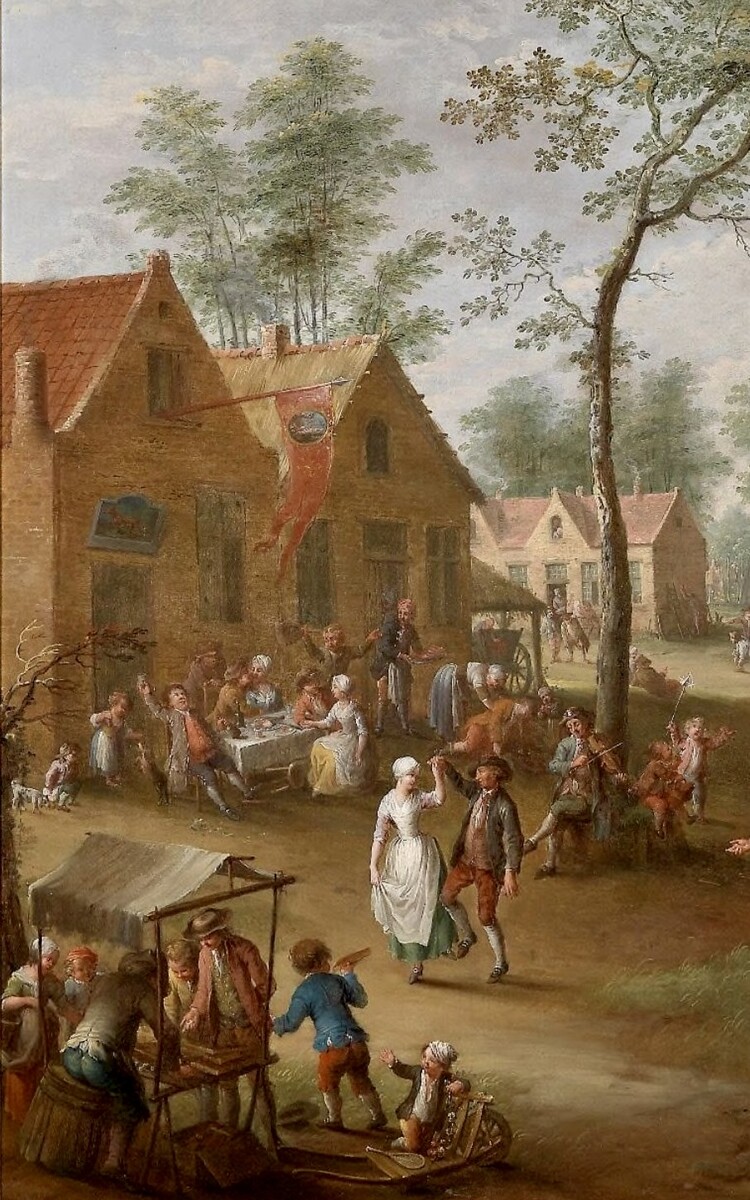
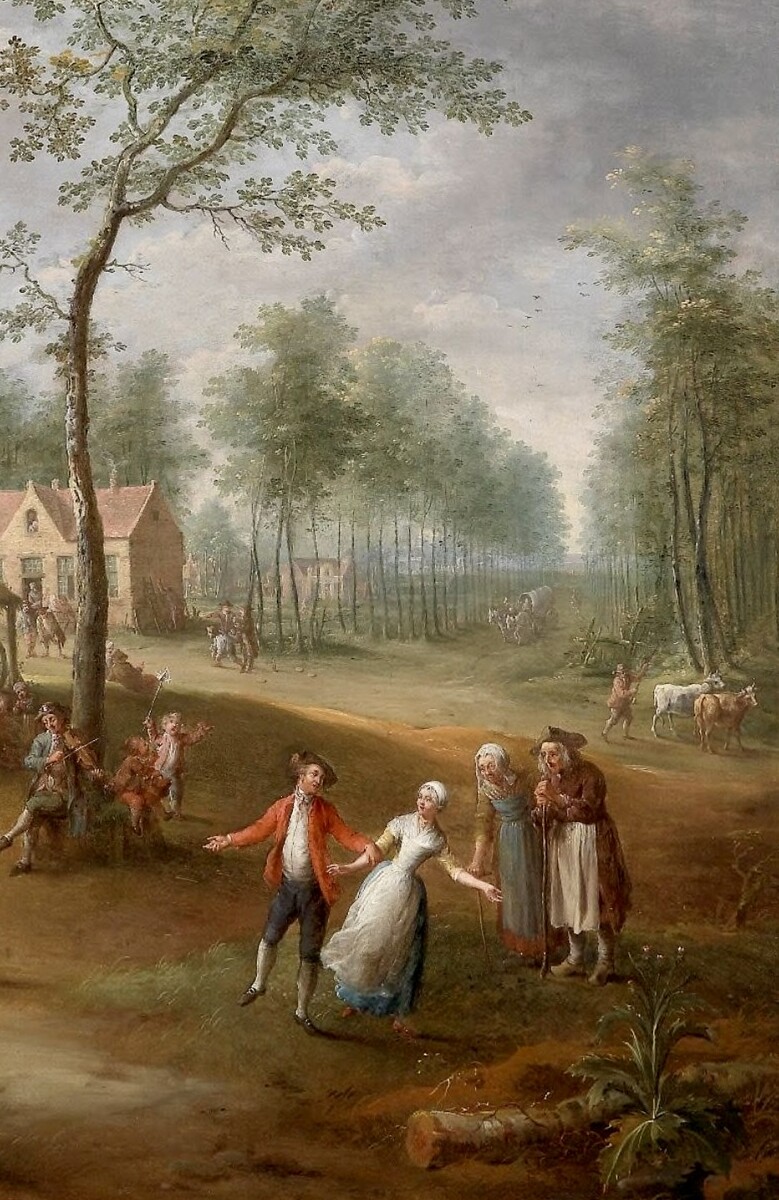
Jan Anton Garemijn was an 18th century Flemish Roccoco specialist of such a happy, anecdotic, decorative scenes.These two paintings were originally incorporated in panelling, decorating a salon or dining room of a rich interior in or near Bruges.
I do not know from which stately home they have come. They appeared onto the art market 17th of April 2013 when they were sold at Dorotheum Vienna for 29.580 €.
About Jan Anton Garemijn
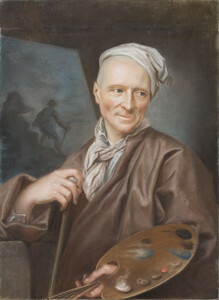
Flemish painter and draughtsman
Bruges 1712 – 1799 Bruges
Most important Rococo painter of Bruges.
Son of a little-known painter, Frans Garemijn, who died when our painter was only 17 years old. Pupil of Hendrik Pulinx (1698 – 1781) and later at the Academy of Bruges.
Painter of lively genre scenes, “conversation pieces”, portraits, and rather conventional religious subjects (for churches in Bruges and Courtrai).
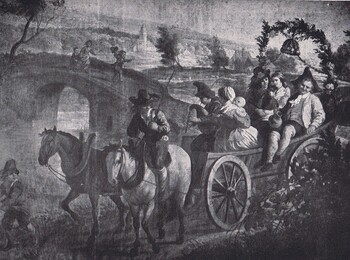
Garemijn is also well-known for his decorative scenes for so-called salon wallpapers and wall coverings which were incorporated in the panelling of salons and dining rooms: bucolic peasant scenes (such as ours), the Four Seasons, etc. Some of these still sit in their original settings, in stately homes, castles and country houses, in and around Bruges.
Characteristic of Garemijn is his sense for popular, pleasant subjects painted in a narrative style in lively, pure colours.
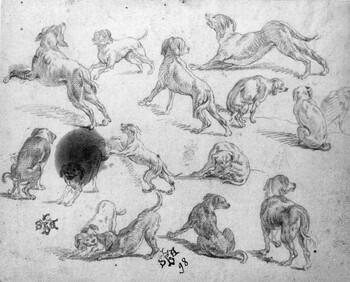
His device was “Nulla dies sine linea”, “No day without drawing”, which explains his important production.
From 1765 until 1775 he was the director of the Arts Academy of Bruges.
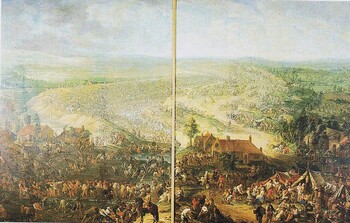
His true masterpiece from 1753, today in the Groeninge Museum of Bruges, is “The digging of the Canal to Ghent”, which was in the collection of Count Carl von Coblenz, minister of the Austrian Netherlands. It is a huge work with numerous figures, painted on two separate canvasses.
Garemijn remained almost all his life a bachelor, with first his mother and later his sister Anna looking after him. She died in October 1789 and a
year and a half later, May 2nd 1791 Garemijn married his maid: he was already 79 years old, she was only 23 years old. The painter died 8 years later. His widow soon married a former nude model of her late husband, who already lived in their home. That man is said to have been the father of the three children born after Garemijn’s marriage … .
Why should you buy these paintings?
Because they are such a chic, impressive and timeless representations of joy of living.
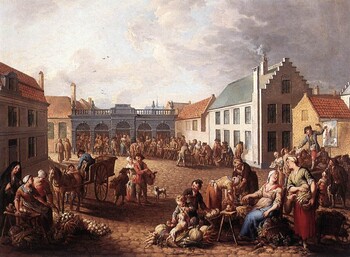
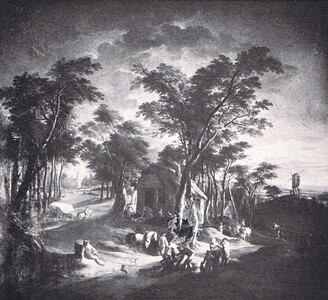
Comparative paintings
Click photos for more details