21.000 €
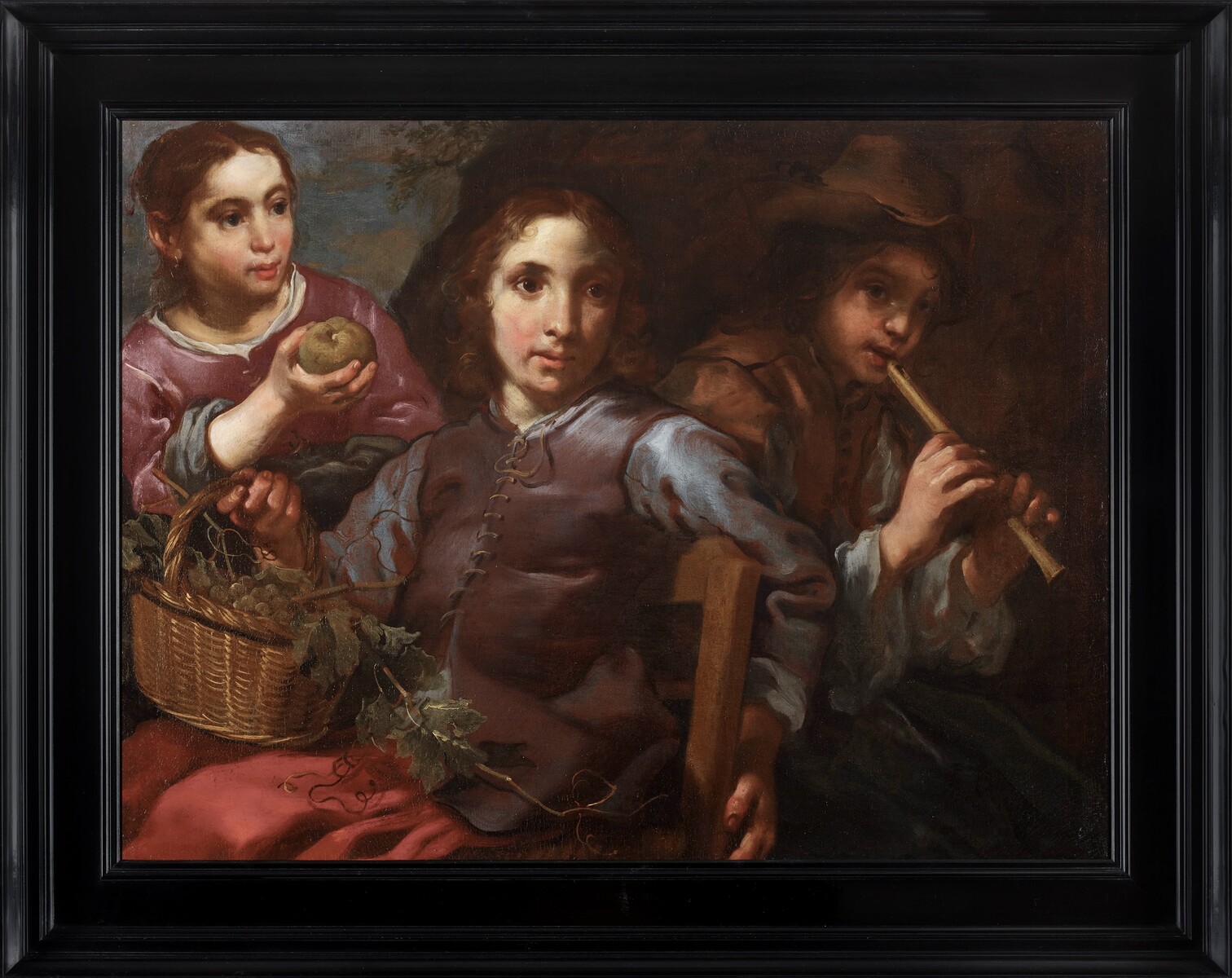
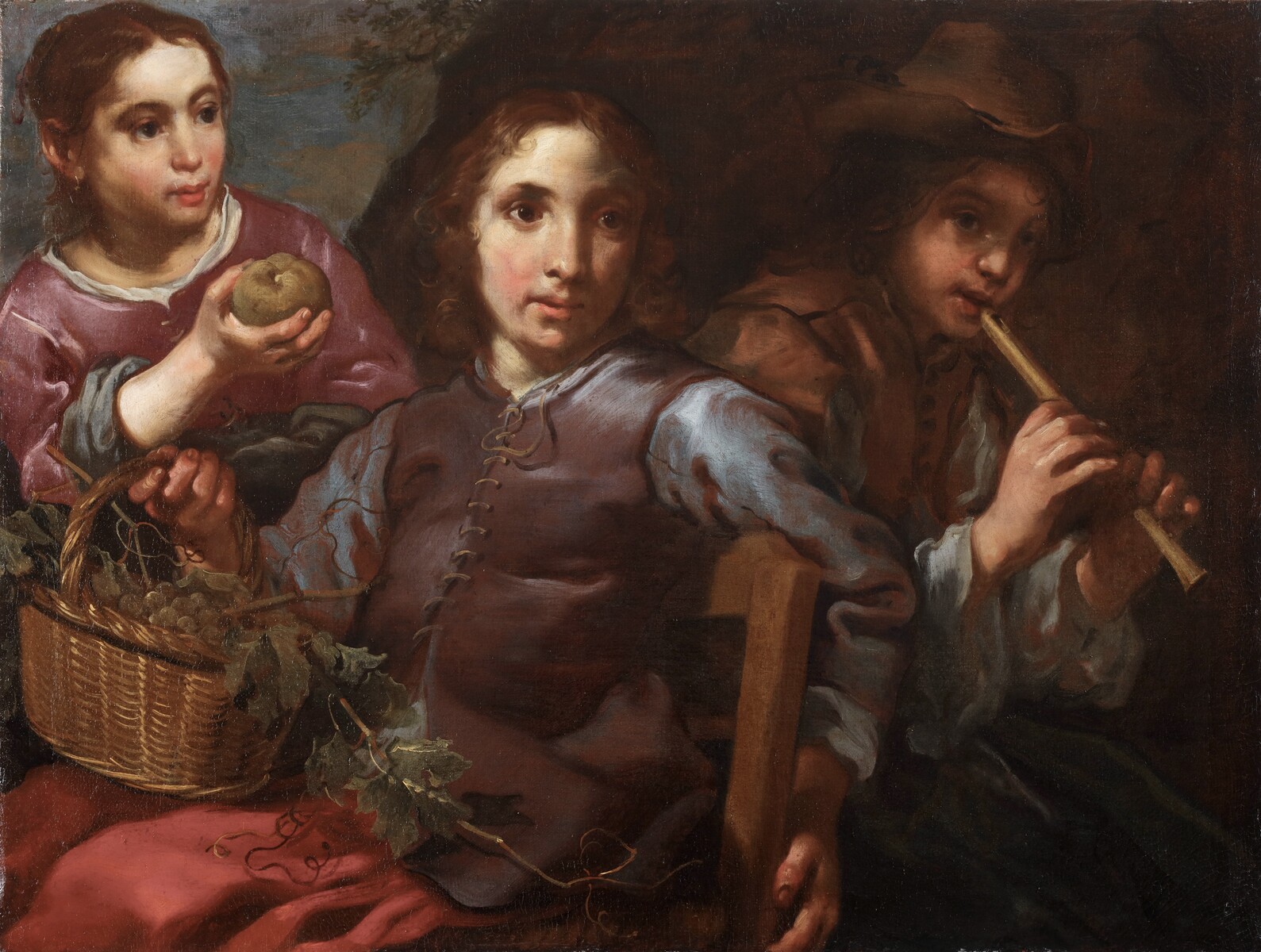
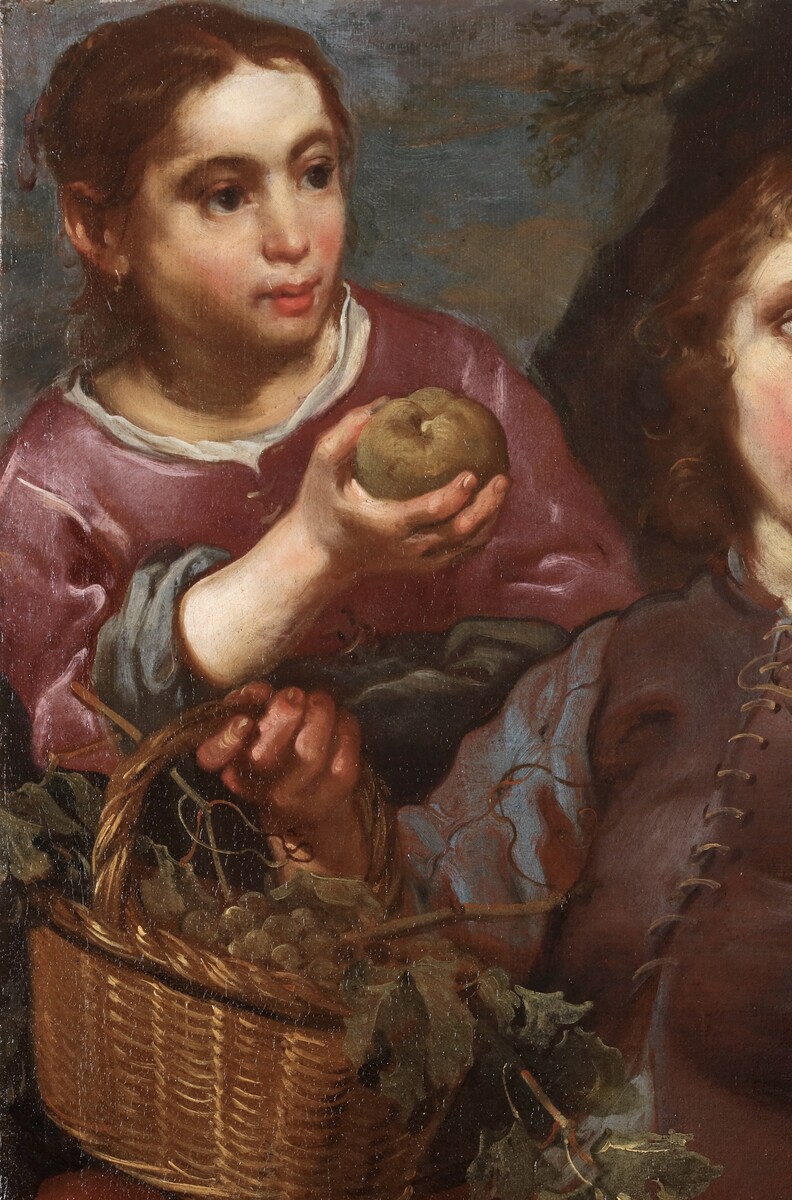
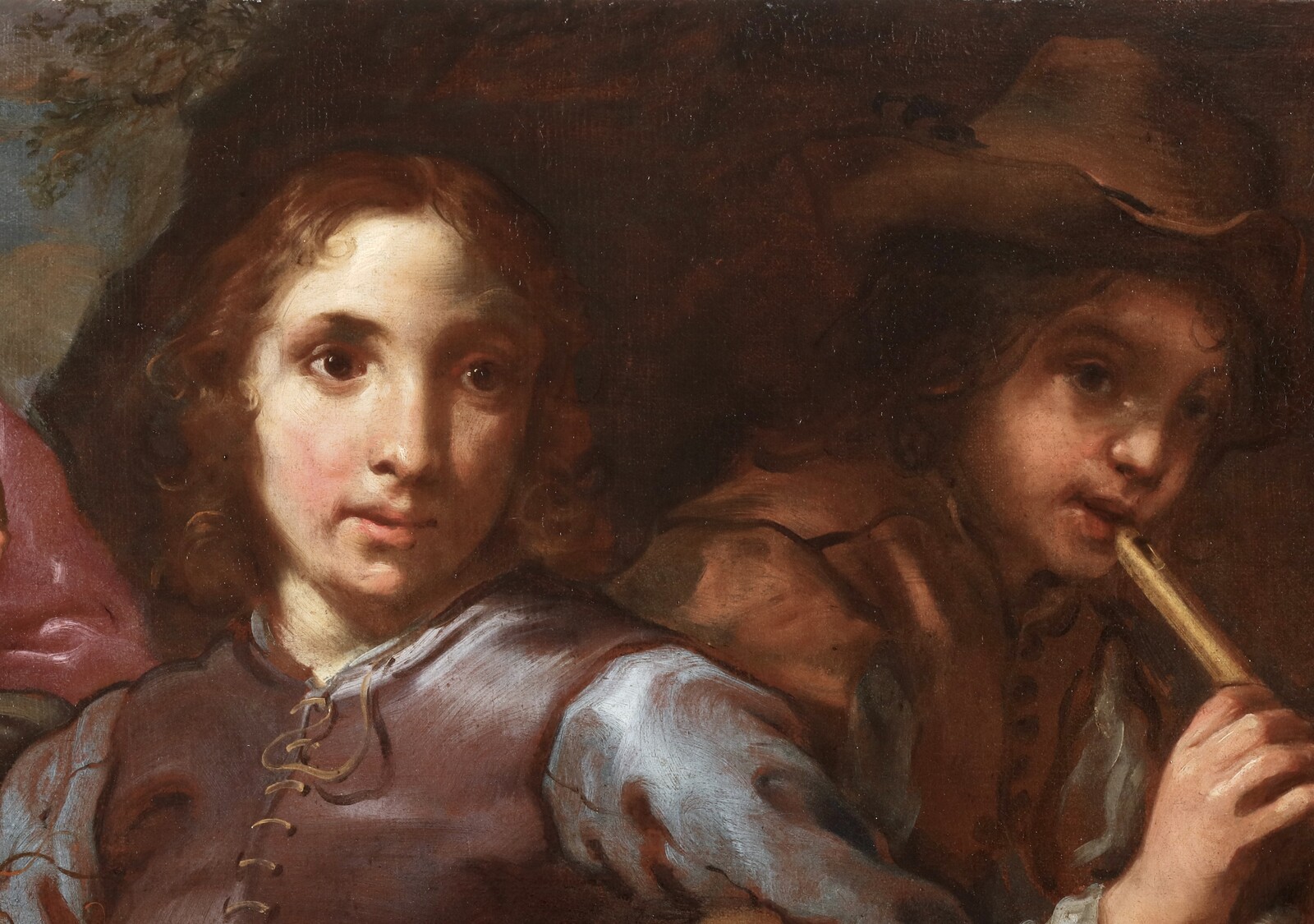
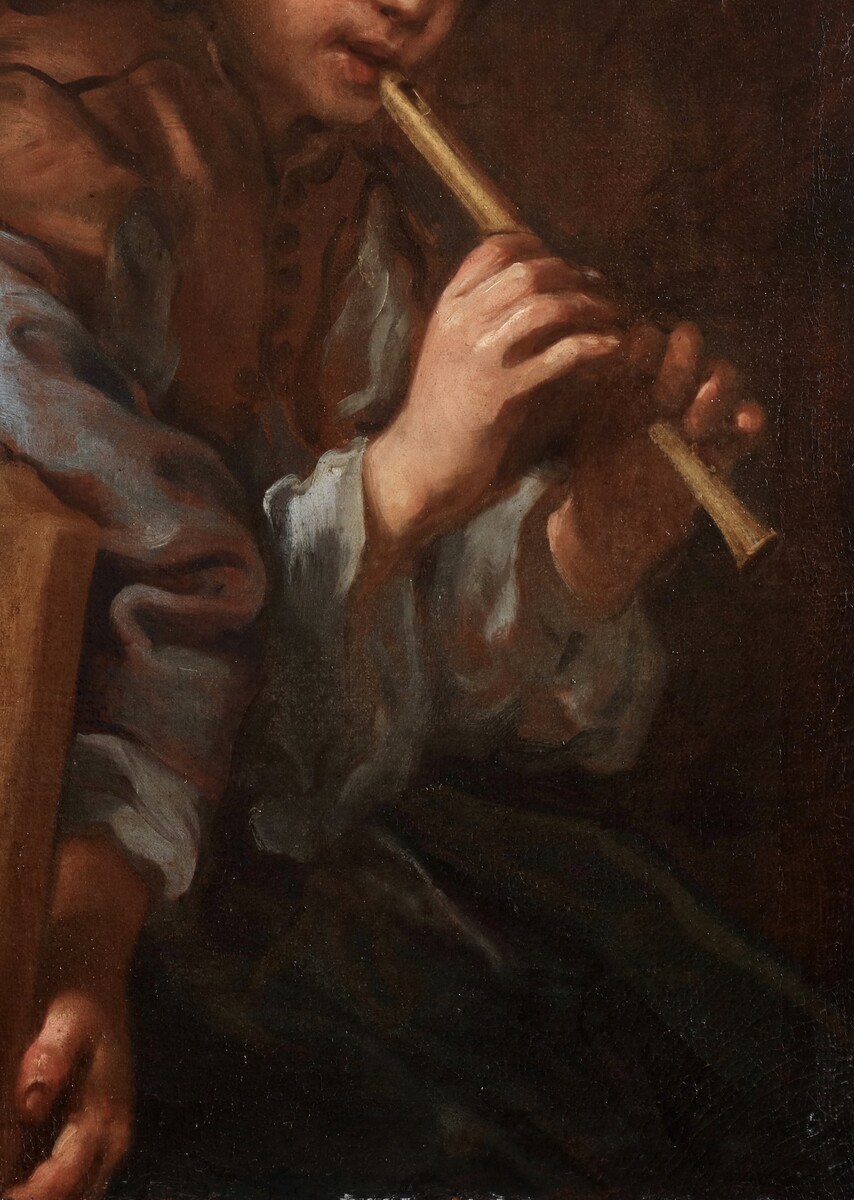
Three children
Oil on canvas : 72,5 X 96,8 cm
Unsigned
Frame : 91,4 X 115,9 cm
The attribution to Keil has been independently confirmed by Dr. Fred Meijer and by Dr. Guido Jansen.
In short
Bernhard Keil was an influential, international painter of Danish origin who specialised in Rome in realistic representations of the life of simple people, often of children. His art is an interesting mix of the very diverse influences that he picked up during his travels to and in Italy. During his youth he had even been a pupil during two years of Rembrandt in Amsterdam.
Our painting dates from Keil’s Roman years (1656 – 1687), when he painted with great truthfulness the humble reality of the daily life of ordinary folks.
About Bernhard Keil
Danish painter
Helsingor 1624 – 1687 Rome
Also known as Bernardo Eberhart Keilhau or as Monsu Bernardo.
Painter of genre scenes and of religious scenes.
His father, Caspar Kegelhoff (Keilhau), was a German painter from Meissen, who emigrated to Denmark. He worked at the court of King Christian IV of Denmark. He must have been Bernhard’s first teacher. His mother was of Flemish origin.
Pupil in Copenhagen during six years (1636 – 1642) of Morten van Steenwinkel (1595 – 1646), who was a second-generation immigrant from Flanders.
Pupil in Amsterdam of Rembrandt between 1642 and 1644. During these years Keil was also influenced by Jan Lievens.
Keil remained in Holland until 1651.
Our painter spent the second half of his life in Italy. On the way to Italy he stopped and briefly worked in Cologne, Frankfurt, Mainz and Augsburg, He arrived via Tyrol in Venice, where he decorated the new palace of the local Senator Giovanni Carlo Savorgnan. In 1654 he was active in Bergamo, where he befriended the still life painter of musical instruments Evaristo Baschenis (1617 – 1677). Then he visited Milan, Forli, Ferrara (where he was commissioned to portray Queen Christina of Sweden) and Ravenna.
At the end of March1656 he arrived in Rome, where he remained until his death. Here he eventually converted to Catholicism.
In Rome Keil’s style changed under the influence of Caravaggism and of the Bamboccianti school. He specialised in realistic representations of scenes from the life of the common people rooted in the pictural culture of Flemish and Dutch painting.
Bernhard Keil was first identified by the famous Italian art historian Roberto Longhi in 1938. He isolated many of his works from those of Antonio Amorosi, to whom they had until then been attributed.
About our painting
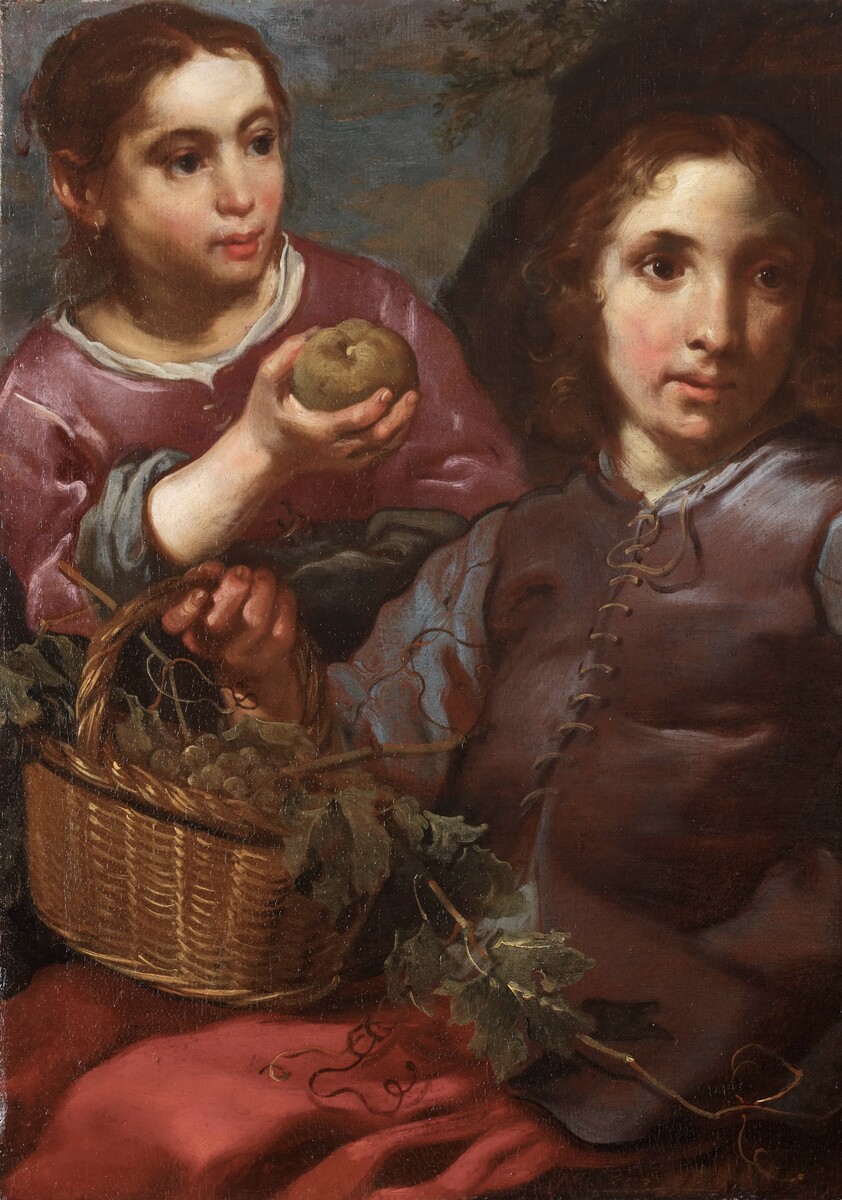
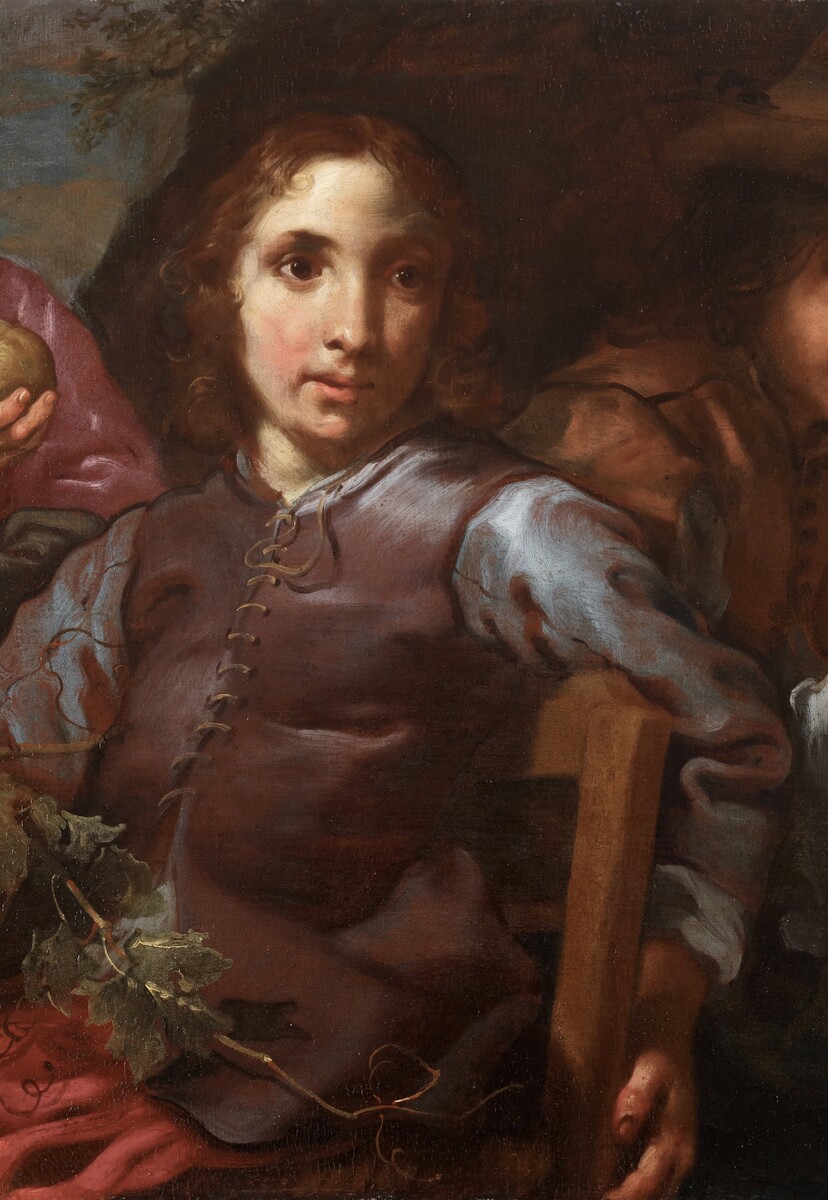
The same boy who is holding a basket of grapes in our painting appears in “A young man with a pot of roses” sold at Christie’s London for over 70.000 €.
He might also stand in the right background of the “Young boy selling kindling wood” from the Museum of Fine Arts in Boston.
Why should you buy this painting?
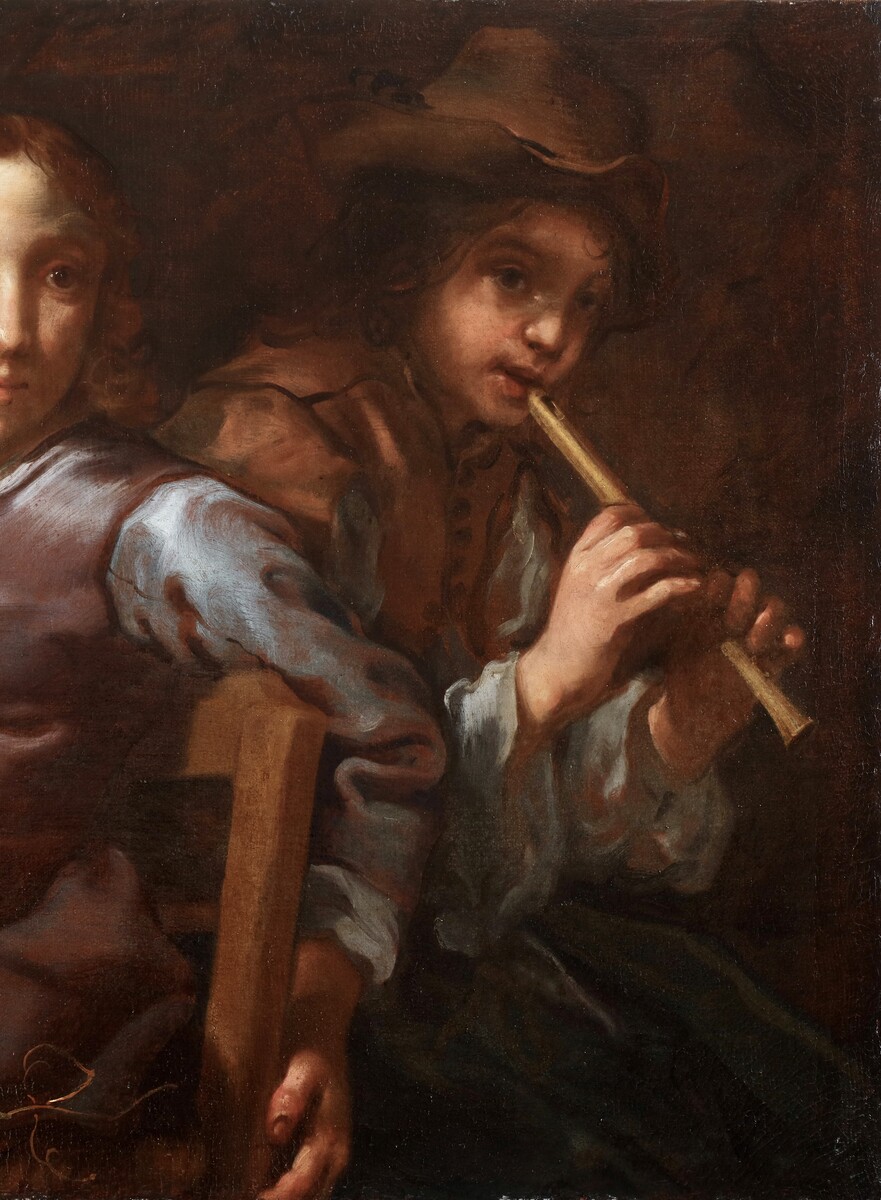
Because this is one of Keil’s warmest, most dignified and most empathetic portrayals of Roman children of humble origins: full of deep human sympathy, respect and serenity.
Comparative paintings
Click photos for more details